You are here
From Rivals to Lovers
Overcome by despair for his forbidden love and betrayal of his uncle, King Marke, Tristan casts his sword to the ground and allows himself to be impaled by his former friend’s sword. Tristan sees his own death as the only way to consummate his love with Isolde, whose fiancé he had killed before the start of the opera. Their relationship, originally defined by mortal rivalry, is transformed when the poison they were to drink to alleviate their grief is replaced with a love potion. At the end of the opera, King Marke finds the truth and wishes to unite the two, but he arrives too late as the lovers die in each other’s arms, fulfilling the Liebestod (love-death), achieving an intimate union through death.
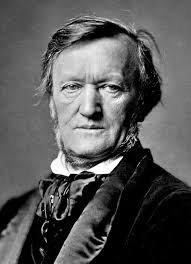
The idea of Liebestod, along with themes drawn from medieval Germanic poetry, served as guiding inspiration for Tristan und Isolde. The earliest concepts of the opera emerged in 1854, during a chaotic period in Wagner’s life that lasted until its eventual premiere in 1865. Having fled Dresden after his participation in the failed May Revolution of 1849, Wagner went into exile in Zurich, leaving his wife, Minna, behind. He became deeply enthralled by the writings of the German philosopher Arthur Schopenhauer, who argued that music stood above all other forms of art. Wagner embraced this idea, believing he could compose music as the drama's primary driver. He later read the prose of Tristan to an audience that included both Minna and his muse, Mathilde, marking the beginning of an uncomfortable love triangle that ultimately ended his relationship with both women and led him to Venice and later Lucerne, where he completed the composition.
Prelude and Liebestod encapsulate the opera’s core emotional trajectory through a seamless narrative shaped by unresolved harmonies and deferred resolution. The Prelude unfolds in a state of hesitation, its phrases rising and falling without resolution, as if unable to move forward. Central to the Prelude is the renowned “Tristan chord,” notable not merely for its unusual structure but for how it resists traditional resolution. It sounds as though it must resolve, yet Wagner repeatedly withholds, allowing the harmony to drift instead. This undermines normal expectations of tension and resolution, creating an atmosphere of unfulfilled longing, sustaining through orchestral swells and lyrical gestures. The Liebestod transforms this built-up tension rather than escaping it. Opening with restraint, the music gradually intensifies as earlier motifs return, now directed toward fulfillment. Textures thicken, harmonies gain clarity, and long-suspended tensions finally dissolve into radiant bliss. The final resolution arrives not as a sudden release, but as the inevitable end of yearning, completing a musical journey from restless desire to transfigured peacefulness.