You are here
The Post-Tchaikovsky Generation
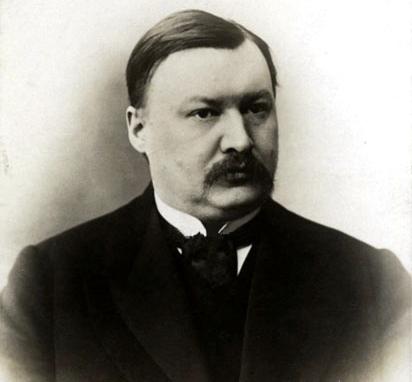
Alexander Glazunov (1865-1936) was a late Romantic Russian composer, conductor, and music teacher following the “Tchaikovsky era.”
Glazunov’s musical career started early – he began studying piano at age 9 and composing two years later. His earliest compositions caught the attention of Nikolai Rimsky-Korsakov, who taught Glazunov privately and later considered him a junior colleague.
In 1888, Glazunov made his conducting debut. Unfortunately for Glazunov, he was often criticized for his conducting, despite occasionally conducting his own works, such as the ballet Raymonda. It is said that although he enjoyed conducting, he knew his skill was lacking.
By 1899, Glazunov became the director of the Saint Petersburg Conservatory. His significant accomplishments during his tenure included improving the curriculum and raising the standards for both students and staff. Glazunov was also deeply involved in student welfare and would personally write exam comments for hundreds of students at the end of each academic year. Of note, Dmitri Shostakovich was a student during Glazunov’s time as music director.
Glazunov wrote his popular Violin Concerto in 1904, and it premiered in Saint Petersburg on February 15, 1905. The piece was dedicated to violinist Leopold Auer, who also performed the piece. The American premiere didn’t happen until 1911 with Russian violinist Efrem Zimbalist performing with the Boston Symphony Orchestra. Before settling in Paris in 1929, Glazunov’s success allowed him to tour both Europe and the United States.